By Matthews Otalike, The Searchlight Correspondent / May 5, 2026
Voices from the Shadows – Ex-Muslim Testimonies and the Sponsorship Allegations
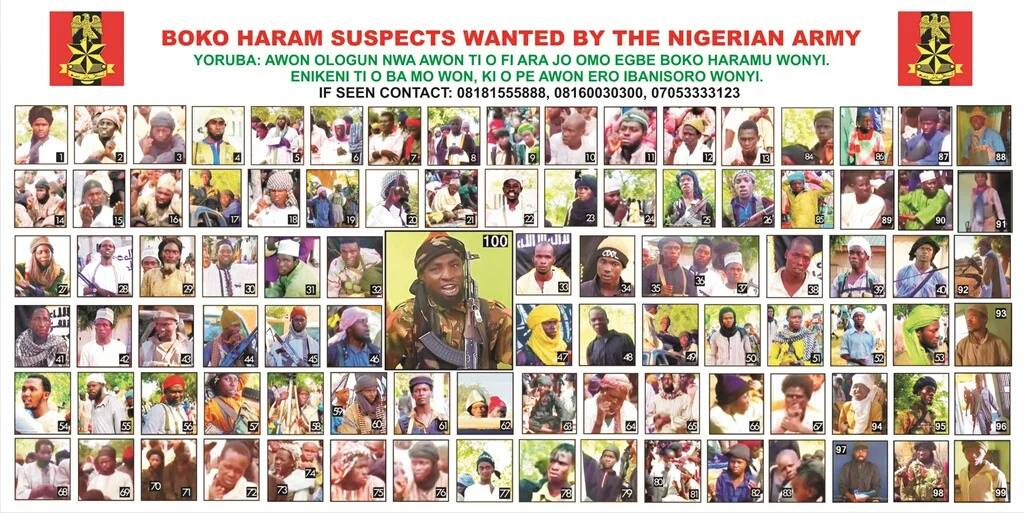
Nigeria’s fight against Boko Haram and associated Islamist violence has dragged on for over 15 years, claiming tens of thousands of lives, displacing millions, and turning parts of the Northeast and Middle Belt into perpetual conflict zones. While official narratives focus on poverty, ideology, and military operations, a set of explosive insider testimonies from converts demand serious national attention.
Sheikh Sani Haliru (later Solomon Haliru), Nasir Isiaku, and figures linked to Evangelist Blessed Usman’s “Unveiling Islam/Boko Haram” present themselves as former participants who converted to Christianity and attempted to blow the whistle. Haliru claimed founding membership and strategic roles in Boko Haram’s precursor networks, alleging training in Libya and Pakistan, and direct sponsorship from top Nigerian elites. He specifically named former military president Ibrahim Babangida (IBB) as the chief financier, allegedly maintaining over 600 jihadists on payroll across security, finance, and other institutions. He claimed to have handed documents to the Police and DSS detailing arms smuggling, only to face detention instead of investigation.
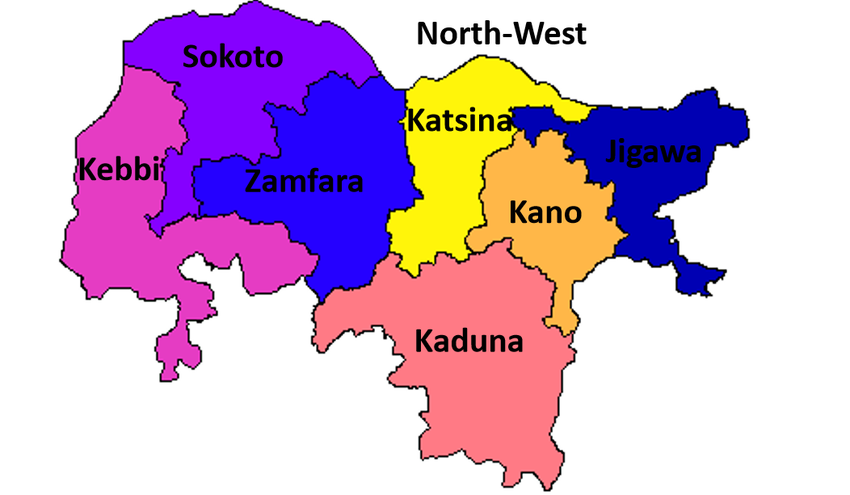
Nasir Isiaku, a younger operative from Zamfara, offered a ground-level account focused on the Northwest and Middle Belt. He described participation in church attacks, forced conversions followed by beheadings, occult rituals including drinking victims’ blood to ward off spiritual retaliation, and Iran-linked training for his faction. Both men highlighted elite funding, political protection, and a broader Islamization agenda.
These accounts share dramatic conversion stories involving visions and divine protection, graphic violence, and warnings to Christians. They differ in scope: Haliru’s is high-level and Northeast-focused with named political kingpins; Isiaku’s is operational and ritual-heavy. Neither has been independently verified with documents or multiple corroborated sources. IBB’s camp rejected Haliru’s claims outright, citing inconsistencies (such as linking Dele Giwa’s 1986 parcel bomb death to suicide bombing tactics) and possible political scripting.
Yet, their circulation in Christian communities reflects deep distrust and lived experiences of targeted persecution. Dismissal without rigorous investigation only fuels conspiracy thinking. The bigger picture: if even a fraction of elite tolerance or complicity exists, it explains why a ragtag insurgency has proved so intractable.
 Thesearchlight.com
Leave a comment