By Matthews Otalike, The Searchlight Correspondent / May 5, 2026
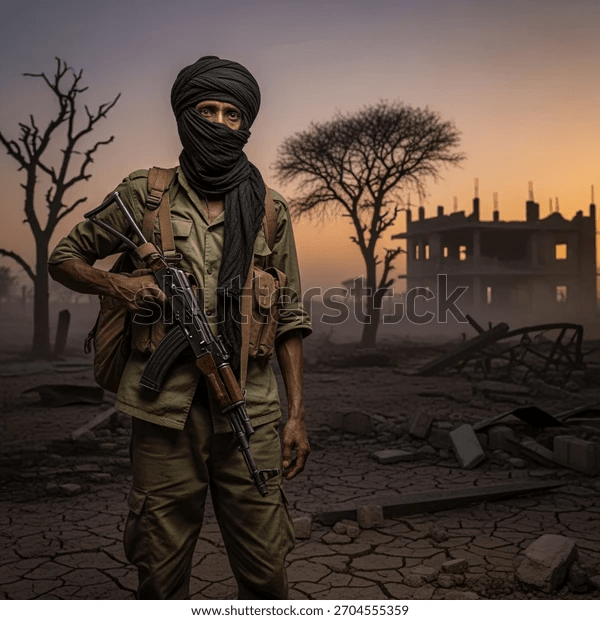
Boko Haram did not emerge from thin air. Mohammed Yusuf founded the movement around 2002 in Maiduguri as a Salafi-leaning preaching circle offering welfare and radical critique of Western education, corruption, and half-hearted Sharia implementation. His 2009 extrajudicial killing in police custody, alongside hundreds of followers, transformed it into a vengeful insurgency under Abubakar Shekau. Local grievances such as poverty, almajiri marginalization, governance failure, and heavy-handed security responses, provided fertile ground. Foreign influences (al-Qaeda links, later ISIS) played a role, but the core was reportedly homegrown.
What the testimonies force us to confront is the alleged elite layer. Haliru and others portray Boko Haram partly as a convenient cover for deeper networks sustained by powerful northern politicians and retired generals. The most persistent name is IBB. The 1986 assassination of investigative journalist Dele Giwa through parcel bomb, Nigeria’s first such attack, hangs over this narrative. Giwa was allegedly probing elite corruption and drug links when a booby-trapped package delivered to his Lagos home ended his life. Suspicions pointed toward military intelligence figures close to the Babangida regime. Decades later, the case remains unsolved despite probes, private prosecutions by Gani Fawehinmi, and the Justice Oputa Panel.
This pattern of high-profile impunity raises uncomfortable questions: Can a society where journalists, critics, and whistleblowers are eliminated without consequence effectively defeat terrorism? If powerful individuals or networks have historically shielded or exploited violent groups for political leverage, destabilization, or ideological goals, then military campaigns alone treat symptoms, not the disease. Nigeria’s insecurity is not merely religious extremism or banditry; it is a symptom of a captured state where accountability evaporates at the highest levels.
The Impunity Trap: Why Nigeria Fails to Confront Its Sponsors of Terror

The most damning question remains: Why have successive Nigerian governments across PDP and APC administrations, shown little appetite for thoroughly investigating and prosecuting the big names repeatedly linked to terrorism financing and enabling?
Testimonies like Haliru’s claim that security agencies detained informants rather than pursuing leads, citing infiltration. In reality, the barriers are structural and political. High-profile accusations require court-admissible evidence, not sensational interviews. Acting on weak grounds risks ethnic-religious conflagration, legal backlash, and accusations of witch-hunts. Powerful figures command vast patronage networks spanning military, business, and traditional institutions. Nigeria has sanctioned some mid-level financiers and prosecuted foot soldiers and compromised officers, but the apex enablers, if they exist, enjoy de facto immunity.
The U.S and international designations target verifiable networks (often Gulf-based remitters), not unverified domestic political conspiracies. This gap leaves ordinary Nigerians bearing the cost: orphaned children, destroyed communities, and a hemorrhaging economy.

The bigger picture which politicians must confront transcends 2027 or 2031 positioning. Nigeria’s insecurity is sustained by:
– Elite consensus against genuine accountability.
– Weaponization of religion for power.
– Failure to reform security institutions riddled with leaks and divided loyalties.
– Refusal to address root governance failures that make youth recruitable.
No serious nation defeats terror by shielding sacred cows. Citizens deserve transparent investigations, possibly an independent, internationally-backed commission, into Boko Haram financing, past assassinations like Dele Giwa’s, and all credible sponsorship claims. Convert testimonies should be tested, not ignored or glorified.
To Nigeria’s political class: Stop the endless musical chairs of power. The “bigger picture” is a failing state where impunity breeds endless violence. Demand truth, financial transparency in conflict zones, deradicalization grounded in reality, and justice for victims. Anything less condemns future generations to the same blood-soaked cycle.
The Searchlight is switched on. Nigerians must now demand action beyond press releases and campaign rallies. The ghosts of Dele Giwa, Yusuf’s followers, Chibok girls, and countless unnamed dead in southern Kaduna, Benue and Plateau will not rest until truth and accountability prevail.
 Thesearchlight.com
Leave a comment