By Matthews Otalike, The Searchlight Correspondent / May 4, 2026
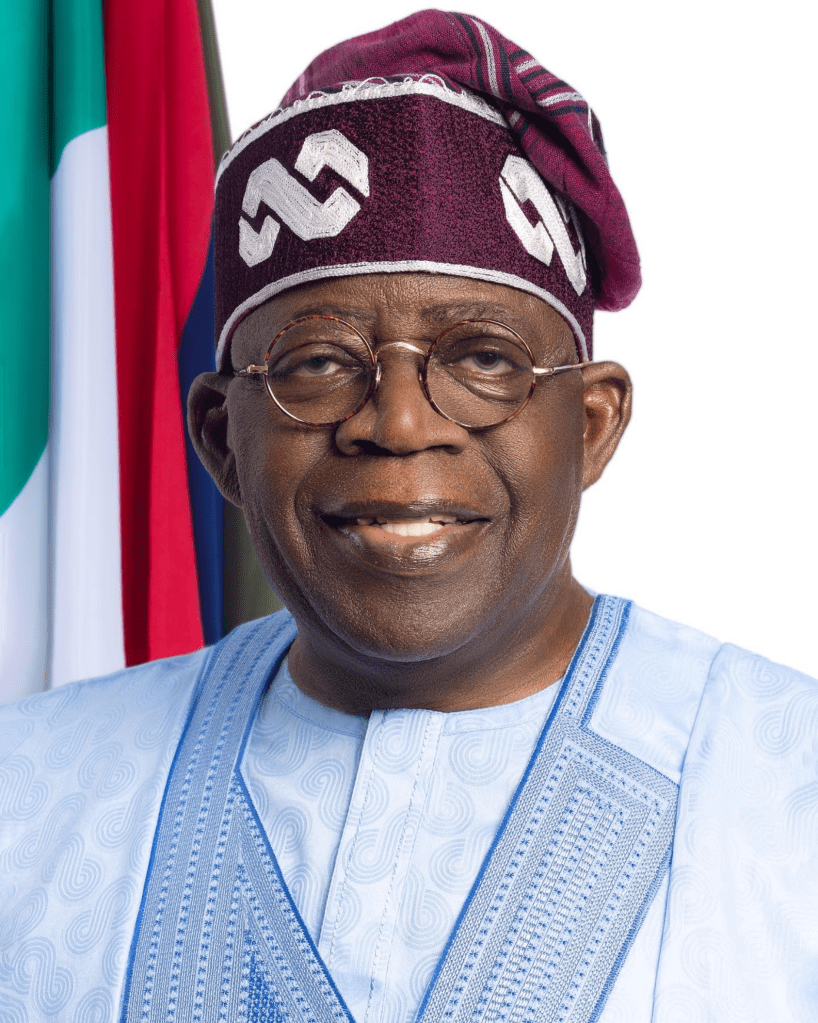
In the annals of Nigerian political history, few spectacles have been as brazen as the systematic emasculation of opposition parties by a ruling government terrified of genuine contest. The Tinubu administration, barely three years into its tenure, stands accused not merely of governance but of orchestrating a multi-front assault on any platform that might harbour Peter Obi or a viable challenge to its hegemony. If the pattern holds,the PDP fractured by Nyesom Wike, Labour Party torn asunder by Abure-Apapa schisms, and now the African Democratic Congress (ADC) destabilized through Gombe proxies; then 2027 risks presenting Nigerians with a hollow ritual: an election with one serious candidate and a constellation of rented stooges.
This is not paranoia. Peter Obi himself has repeatedly highlighted how the government appears more invested in sowing discord in PDP, Labour Party, SDP, and emerging coalitions than in tackling insecurity, economic collapse, or the daily humiliations of ordinary Nigerians. Opposition figures like Atiku Abubakar and others echo the charge: state resources and institutions are allegedly deployed to fragment rivals, pushing the nation toward a de facto one-party state.
The Playbook of Division
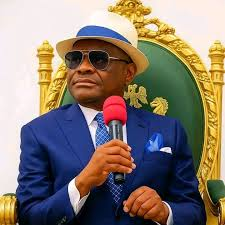
Consider the evidence of this pattern. In the PDP, Nyesom Wike, a sitting federal minister under Tinubu, remains a dominant force while publicly pledging support for the President’s re-election. Critics inside the party accuse him of “holding PDP down” for Tinubu, deepening long-running fissures that have left the former ruling party a shadow of its former self. Whether Wike acts as a willing tool or an opportunistic actor exploiting existing weaknesses matters less than the outcome: a major opposition party paralysed at a critical juncture.

The Labour Party’s descent has been even more theatrical. Multiple factions, Julius Abure, Lamidi Apapa, Nenadi Usman-aligned groups, have turned what should be Obi’s natural vehicle into a theatre of endless litigation and counter-claims. Supreme Court rulings, secretariat invasions, and mutual accusations of illegitimacy have rendered the party dysfunctional. Obi and his supporters see the hand of the ruling party in prolonging these crises. Even if some fractures are self-inflicted, a recurring ailment of Nigerian opposition, the persistence and timing raise legitimate questions about external fuel.
Now the ADC, touted as a potential coalition platform, faces its own contrived convulsions. Factional leadership battles involving Nafiu Bala Gombe, lawsuits, youth ultimatums, and public disassociation have muddied its waters. Accusations fly of ruling party figures using proxies to weaken the structure from within, precisely as opposition heavyweights explore it as a vehicle. Chief of Staff Femi Gbajabiamila was on a viral video recently urge a stooge to stay back in the ADC to do whatever it takes to weaken the party.
The strategy, if real, is classic divide-and-rule: exploit personal ambitions, regional rivalries, and judicial vulnerabilities to ensure no single formidable platform coalesces around credible challengers like Obi. Why risk a fair fight when you can ensure the opponent arrives at the ring with broken arms and internal saboteurs?
Is This Democracy?
Democracy without robust opposition is theatre, a ritual that legitimizes power without constraining it. Nigeria’s constitution envisions a multi-party system where ideas compete, governments are held accountable, and citizens retain the sovereign right to choose alternatives. When the ruling party systematically weakens rivals, several grave implications follow:
– Erosion of Accountability: A dominant APC facing fragmented opposition faces little scrutiny. Economic hardship, insecurity, and policy missteps go unchallenged in any coordinated parliamentary or public sense. Complacency sets in; arrogance follows.
– Voter Apathy and Cynicism: When elections offer no real choice, citizens disengage. Turnout declines. Legitimacy of the eventual “winner” erodes, breeding instability rather than the stability autocrats crave.
– Risk of Authoritarianism: One-party dominance, even if achieved through “democratic” means of sabotage, historically slides toward suppression of dissent, capture of institutions (judiciary, INEC, security), and the weaponisation of agencies against critics. Nigeria has flirted with this before; we know the stench.
– Stunted National Development: Without ideological contestation, policy becomes transactional and short-term. The urgent reforms Nigeria needs, restructuring, economic diversification, security overhaul, anti-corruption, suffer when the incentive is merely retaining power, not earning it through superior governance.
Critics of the opposition narrative will argue that parties must fix themselves; internal democracy failures and ego-driven crises are not solely the government’s fault. This is partly true. Nigerian opposition has often been its own worst enemy, personality cults over institutions, transactionalism over principle. Yet when these weaknesses are consistently amplified at moments of potential coalescence, and when ministers and state machinery appear complicit, the “self-inflicted” defence wears thin.
The Searchlight Demands Better
The Tinubu administration must answer the following questions: Is the goal a competitive 2027 election or coronation by default? Governance should focus on delivering security, reviving the economy, and uniting Nigerians, not on destabilising platforms that might field Peter Obi or any other challenger. True strength lies in performance that renders opposition arguments irrelevant, not in rendering opposition impotent.
Nigerians deserve more than managed democracy. Peter Obi, for all the controversies around him, represents a potent symbol of discontent with the status quo, a discontent rooted in lived hardship. Attempting to neutralize him by proxy wars on parties dishonours the democratic ethos.
The Searchlight has always shone on power’s excesses without fear or favour. Today it illuminates a dangerous trajectory: the conversion of multiparty democracy into a one-party masquerade. If unchecked, 2027 will not be an election but an affirmation; not of the people’s will, but of a calculated consolidation of power that leaves democracy mortally wounded.
Nigeria’s future hangs in the balance. Opposition must resist fragmentation with greater unity and internal reform. Citizens must demand institutional independence. And the ruling party must choose: govern boldly in the open field of competition, or risk ruling over a graveyard of democratic hopes. History judges harshly those who fear their own people’s verdict.
 Thesearchlight.com
Leave a comment